
The Science of Reading Reached Congress. But Schools Still Need Direction.
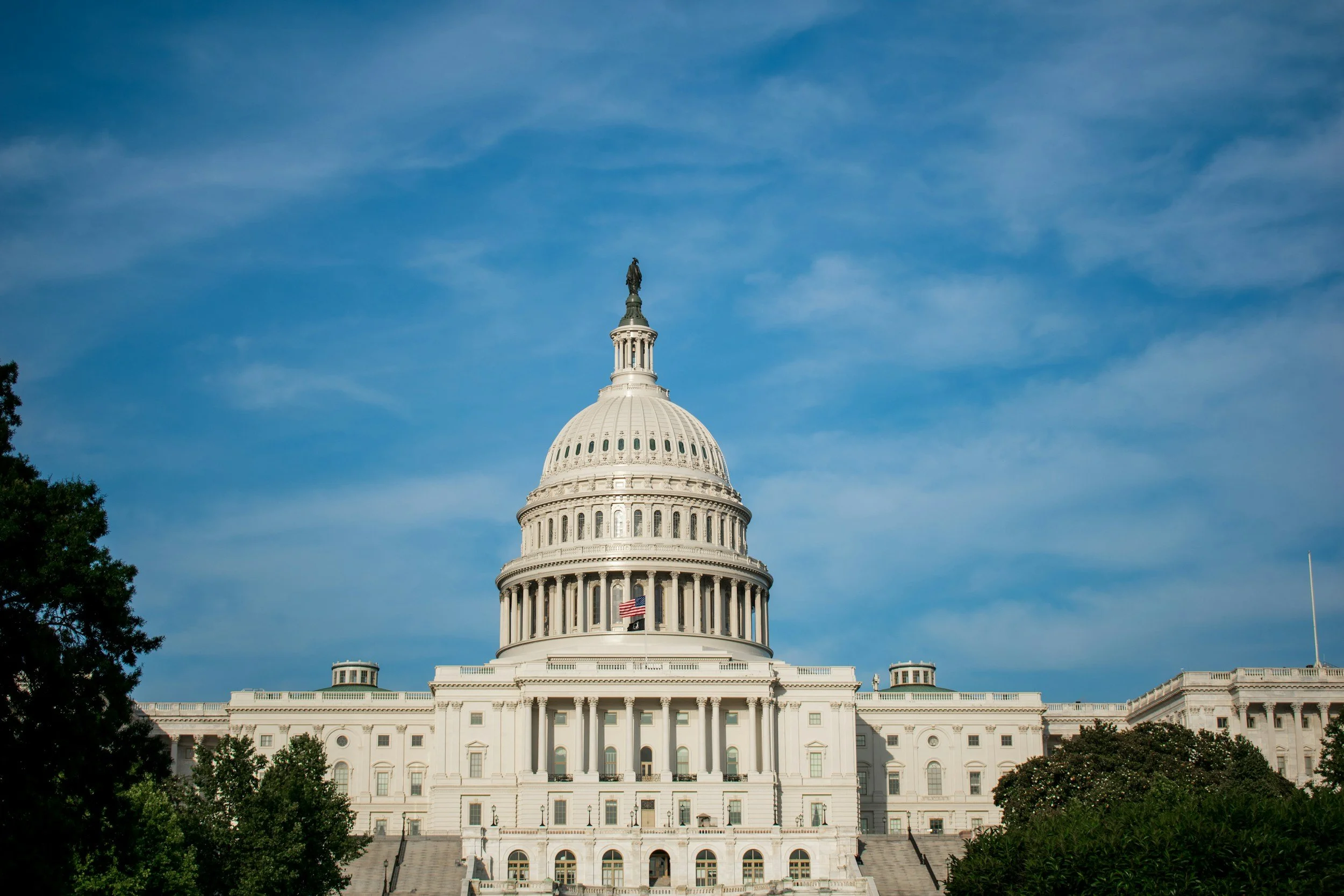
The Science of Reading is no longer just a conversation happening in schools, professional learning sessions, and literacy circles. It has now reached Congress.
On February 10, 2026, a House Appropriations subcommittee held a hearing called The Science of Reading. Then, on March 17, 2026, the House Education and Workforce Committee advanced the Science of Reading Act of 2026 out of committee. Those are two separate developments, but together they send a clear message: reading instruction is becoming an even bigger part of the national conversation. (Appropriations GOP)
This matters.
Not because schools need to panic. And not because every headline or social media post is telling the story clearly.
It matters because it is one more sign that the pressure around reading instruction is not going away.
What actually happened
First, Congress held a hearing specifically focused on the Science of Reading. Dr. Holly Lane from the University of Florida Literacy Institute was one of the witnesses. In her written testimony, she described the science of reading as the accumulated body of evidence from multiple fields that helps us understand what reading is, how people learn it, and how it is most effectively taught.
Second, the House Education and Workforce Committee advanced the Science of Reading Act of 2026. The bill would amend parts of the Elementary and Secondary Education Act to prioritize certain literacy funds for evidence-based instruction and supports aligned to the science of reading, and it says comprehensive literacy instruction under that section does not include the use of a three-cueing model. (Education & the Workforce Committee)
What this does not mean
This does not mean that all schools are suddenly going to lose all federal funding if they are not “doing the Science of Reading.”
That is not what happened.
The bill is narrower than that, and it is also not law. It has been introduced and advanced out of the House committee, but it has not completed the full legislative process. (Education & the Workforce Committee)
What school leaders need right now is not fear. They need direction.
What stood out to me most
What stood out to me most was not just the existence of the hearing or the bill.
It was the message behind them.
In her testimony, Holly Lane pointed to the importance of teacher preparation, leader expertise, and the quality of instructional tools and materials. She argued that stronger reading outcomes do not come from programs alone. They also depend on whether teachers and leaders have the knowledge needed to make strong instructional decisions. (House Documents)
To me, that is one of the most important takeaways.
Because many schools are working hard to improve reading outcomes while also dealing with conflicting messages about the Science of Reading, overwhelmed teachers, multiple initiatives running at the same time, inconsistency in Tier 1 reading instruction, and pressure from accountability systems.
In that kind of environment, knowledge matters.
Teachers need clear support around what effective reading instruction actually looks like and which practices have the strongest research support. Leaders need enough understanding to make informed decisions about instruction, curriculum, intervention, and next steps. And schools need direction around what to prioritize, not more noise.
This is where many schools get stuck
Too often, schools are told to improve reading outcomes as if the answer is obvious.
Buy a new program.
Launch a new initiative.
Add another layer of intervention.
But many times, that is not the deepest problem.
The deeper problem is that schools are trying to improve outcomes without enough direction in Tier 1 reading instruction. Teachers may be hearing mixed messages. Leaders may be trying to respond to pressure from multiple directions. And schools may be investing in solutions without first getting clear on the reading practices that matter most.
That is why I believe this moment is important.
Not because Congress has solved the problem. And not because schools need to chase every new development.
But because it reinforces something many of us in the field have known for a long time: schools need stronger direction around reading instruction, and they need leaders and teachers who are not left guessing about what works.
My biggest takeaway
My biggest takeaway is simple:
The Science of Reading may have reached Congress, but schools still need direction.
They need direction around what strong Tier 1 reading instruction actually looks like. They need direction around which practices are most worth prioritizing.They need direction around how to support teachers without overwhelming them. And they need direction around how to build systems that are manageable and grounded in research.
From my perspective, that is the real work ahead.
Helping schools cut through the noise. Helping teachers and leaders build knowledge. And helping systems stay focused on the instructional practices that matter most.